
Basement Flooding Toronto
Basement flooding Toronto residents deal with usually arrives in a storm, and the first hours decide whether you are left with a wet floor or a gutted basement.
Fully licensed and insured
Open 24 hours, 7 days
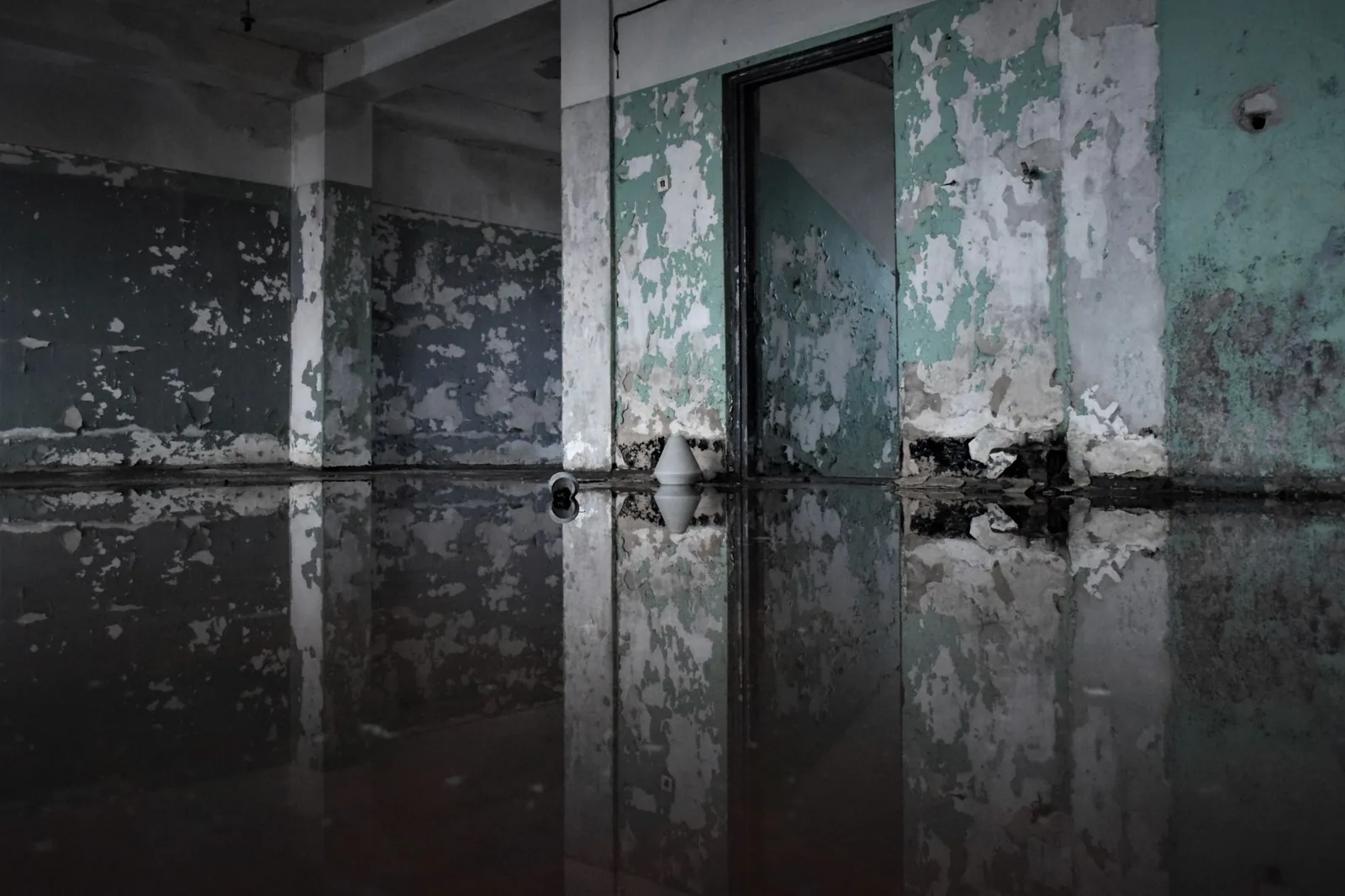
Basement flooding in Toronto: what actually happens
Toronto has a long record of storms that outrun its sewers. On July 8, 2013, more than 100 mm of rain fell in about 90 minutes and the City logged almost 4,800 basement flooding complaints. On July 16, 2024, the city had more than a month of rain in about three hours. Those are the headline events, but ordinary summer thunderstorms and spring thaws flood basements in the city every year.
This site is about basement floods across the city. We pump the water out, remove what cannot be saved, dry the structure to measured readings and rebuild. You get a free assessment, then a written scope and price.
The first hours after a basement floods
- Get safeStay out of the water if it is near the panel, outlets or furnace. Turn off power at the main only if you can reach the panel without standing in water.
- Call us and, if it came up a drain, call 311We start the response while the City checks its sewer.
- DocumentPhotograph the water line, damaged belongings and the drain before anything moves.
- ExtractPumps and wet vacuums remove standing water.
- Strip and dryWet carpet, underpad and low drywall come out, and drying equipment goes in.
Nearby cities and districts
Wet basement North York
Don River and Black Creek streets, bungalows and splits.
Learn moreWet basement Scarborough
Highland Creek, Rouge and Bluffs-side homes.
Learn moreWet basement Etobicoke
Humber, Mimico and Etobicoke Creek neighbourhoods.
Learn moreWet basement Vaughan
Woodbridge, Maple, Thornhill and Kleinburg.
Learn moreWet basement Markham
Newer lower levels and older Unionville foundations.
Learn moreWet basement Mississauga
Cooksville Creek, Port Credit and the new subdivisions.
Learn moreSewer backup Vaughan
Contaminated water cleanup in older streets.
Learn moreHow we tell the three causes of a basement flood apart
Water enters a Toronto basement in three ways. It comes up the floor drain when the sewer is overloaded. It seeps through walls and floors when the ground is saturated. Or it overflows when a sump pump fails or cannot keep up. Each cause changes the cleanup. Sewer water is contaminated and porous materials must go. Groundwater is cleaner but still carries soil and bacteria. A failed pump is the cause people forget to check.
Your insurer will ask how the water got in, so we note the entry point on the first visit.
What we record for you
- Where the water entered and when it was found
- Moisture readings in each room, repeated until dry
- Photos of the damage and of everything removed
- A list of belongings moved or packed out
- A written scope and price before work proceeds
Why Toronto basements flood differently across the city
The reason a basement floods tells you where to look next. In older central streets, buried creek lines and clay soils can push water through stone foundations after long rain. In postwar neighbourhoods, a combined or overloaded sewer may send water up a floor drain. In the newer suburbs, drainage that works in normal rain can be overwhelmed by sudden downpours, and window wells and grading come into play. Our crew asks which of these fits your street and then verifies it on site.
That is why a single quote over the phone is not possible. The free assessment tells us what the water did, and a written scope and price follow.
Your first hour in a flooded basement
- Do not go downstairs if water is near outlets, the panel or appliances.
- Switch off the circuits you can reach safely, and leave the rest to us.
- Photograph the water level against a wall or stair, with a measuring tape if you have one.
- Carry out items that are dry and light, and leave heavy furniture.
- Leave floor drains alone, and use no water upstairs if the water came up a drain.
- Call us, then call your insurer and write down the claim reference.
Reviews from the team behind Toronto Basement Flooding Response
Toronto Basement Flooding Response is operated by FirstLine Restoration. These reviews were left on Google for FirstLine Restoration, the team that does our work.
“Our home suffered a flood in our upstairs bathroom that travelled throughout the home. Firstline showed up quickly and shut off the flood source. After that, they completed the whole reconstruction process and handled all insurance interactions.”
“Our house flooded, and Firstline came out fast. They were easy to work with, helped deal with insurance, and got everything restored. Really appreciate how smooth they made a stressful situation.”
“Our house flooded and we ended up calling Firstline. They got there fast, walked us through what had to happen, and worked with our insurance company, which helped a lot. The whole thing was stressful, but their team handled it really well and got our home restored.”
“Our warehouse flooded and Firstline got a crew out quickly. They handled the clean up, kept us updated, and helped get the building back in working order. Solid team and easy to deal with.”
“We had a kitchen fire and called Firstline after the damage. They came out quickly, explained the cleanup process, and helped us get things back to normal. It was a tough situation, but their team made it a lot easier to deal with.”
Basement flooding Toronto: questions we hear
Does the City help pay for prevention?
The City of Toronto Basement Flooding Protection Subsidy Program pays 80 percent of eligible work such as backwater valves and sump pumps, up to stated maximums, for owners of homes up to fourplexes. Read the City page for the current rules before you book any work.
How long until my basement is dry?
Drying usually takes 3 to 5 days once wet materials are out.
Do you offer a free assessment?
Yes. The assessment is always free, followed by a written scope and price.
Will you talk to my adjuster?
Yes. We document everything and share it with your insurance adjuster. Your insurer decides what your policy pays.
Can mould start after a flood?
It can begin within a couple of days in damp materials, which is why drying starts right away.
Request a quote
Tell us what you need and we will get back to you. In a hurry? Calling is fastest.