
Basement Flooding Toronto: Areas We Serve
Basement flooding Toronto crews from Toronto Basement Flooding Response cover the whole city, and we see different patterns in each part.
Fully licensed and insured
Open 24 hours, 7 days
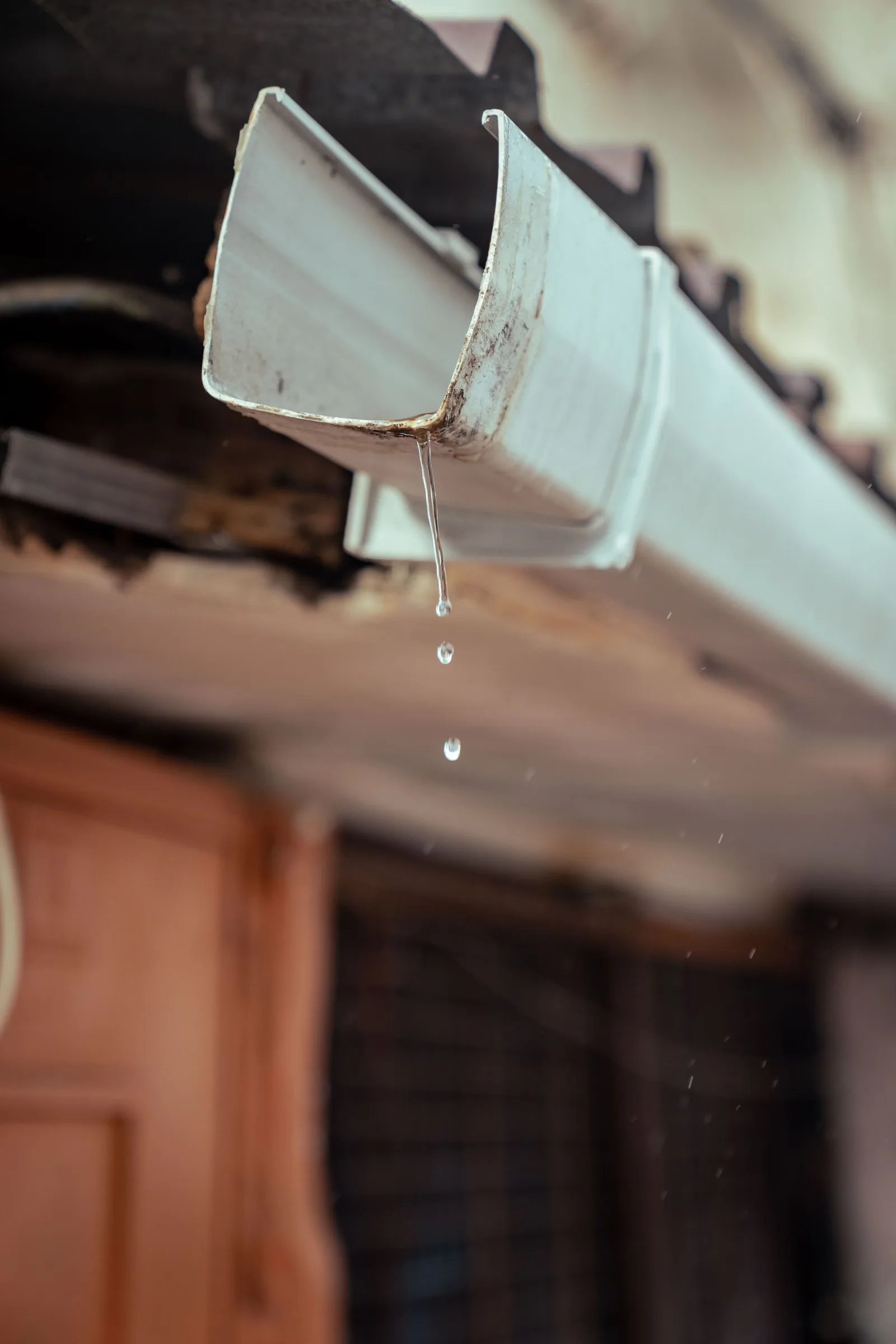
Where basements flood and why it varies
The City says heavy rain can overload sewers and overland drainage routes such as roads, creeks and rivers. Where you live decides which one gets you.
Parts of Toronto we serve
- Etobicoke: three watercourses and many bungalows with finished basements
- Scarborough: Highland Creek and Rouge valley neighbourhoods
- North York: postwar housing along the Don and Humber
- East York and the Danforth: older semis and rowhouses
- Downtown, Annex and Parkdale: Victorian homes and converted units
- Leaside, Riverdale and The Beaches: lower-lying streets
How the causes of flooding change across Toronto
Toronto sits on a patchwork of old creek valleys, filled ravines, clay plains and lake shoreline, and its sewers were built in different decades. Older central areas may still have combined sewers, meaning stormwater and household waste share one pipe, while newer areas generally have separate systems. In a heavy storm, sewers can fill and push water back up floor drains. Where the ground slopes toward a house, surface water finds window wells and foundation joints. Where the water table is high, seepage comes up through the floor slab.
We cannot tell you which one applies to your street from a distance. What we can do is ask good questions on the phone and measure on site.
Neighbourhood types and what we check first
In older brick homes in the Annex, Riverdale and Leslieville, we check stone foundations, old parging and floor drains that may be original. In postwar bungalows across East York, Etobicoke and Scarborough, we check finished basements with panelling or carpet over concrete. In North York and York, we see a mix of split-levels and apartment buildings. In newer condominium and townhouse developments, we look at shared drains and garage-level leaks.
Wherever you are, tell us the nearest intersection and the type of building. That is enough to plan the crew and equipment.
What to have ready
- Address and nearest intersection
- A description of where the water entered
- Time the water was first noticed
- Photos or video you have already taken
- Insurer name and claim number if you have one
Nearby cities and districts
Wet basement North York
Don River and Black Creek streets, bungalows and splits.
Learn moreWet basement Scarborough
Highland Creek, Rouge and Bluffs-side homes.
Learn moreWet basement Etobicoke
Humber, Mimico and Etobicoke Creek neighbourhoods.
Learn moreWet basement Vaughan
Woodbridge, Maple, Thornhill and Kleinburg.
Learn moreWet basement Markham
Newer lower levels and older Unionville foundations.
Learn moreWet basement Mississauga
Cooksville Creek, Port Credit and the new subdivisions.
Learn moreSewer backup Vaughan
Contaminated water cleanup in older streets.
Learn moreRequest a quote
Tell us what you need and we will get back to you. In a hurry? Calling is fastest.